


When the strap of a full bag tears at the seam or the elastic waistband of a jacket loses its elasticity after a few washes, it often starts in a single place: a weak spot in the narrow fabric. For this reason, Quality Control of Narrow Fabrics is a very important issue. From ready-to-wear clothing to bags and shoes, and from home textiles to furniture upholstery, narrow-woven components such as ribbons, cords, and elastic form the structural framework of the final product. For this reason, narrow-woven fabric quality control is not merely a formality performed at the end of production, but an ongoing process at every stage—from raw material intake to shipment.
A millimeter-sized weaving deviation or a yarn that does not hold its twist may seem minor on its own. But in mass production, this small deviation translates into thousands of defective parts, work stoppages on the assembly line, and returned orders. The cost of ensuring quality from the start is always lower than the cost of defects at the end.
How to Identify High-Quality Narrow-Width Weaving?
High-quality narrow-width weaving is first evident in the uniformity of its surface. If the weft and warp yarns run evenly across the surface and the weave density is consistent at every point, the product is durable. Loose yarns, uneven density, and wavy edges, however, directly reduce tear resistance and service life. So, how can you assess the quality of narrow-width fabrics? During the initial visual inspection, three key points are examined:
- Edge structure: The edges should be free of fraying, unraveling, or waviness; the weave should terminate in a stable manner.
- Color consistency: There should be no color deviation between lots, and the dyeing must comply with standards.
- Width/length stability: When stretched, the product should retain its original shape and should not stretch excessively or become deformed.
Visual inspection alone is not sufficient. Laboratory tests for strength, abrasion resistance, and wash fastness convert these observations into measurable data. A reliable manufacturer does not withhold test reports but shares them before the purchase.
Choosing the Right Material for Narrow Weaving
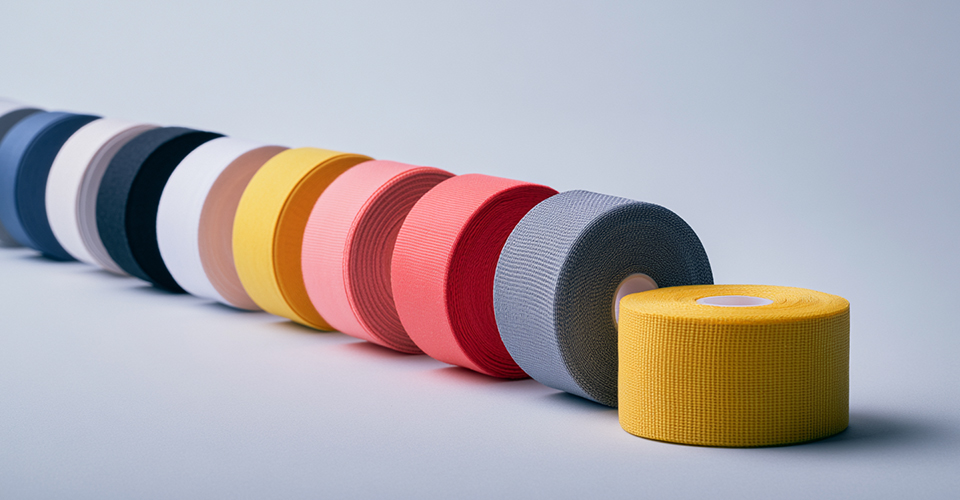
Choosing the right material for narrow weaving directly affects performance and quality. This performance begins with raw materials suitable for the product’s intended use. Each type of yarn imparts a different character to the product:
- Polyester: High tensile strength, UV and abrasion resistance. The most commonly used option.
- Cotton: Preferred for products that come into contact with the skin due to its natural and skin-friendly properties.
- Polypropylene: Lightweight and water-resistant, offering advantages in applications where weight is a concern.
- Nylon (polyamide): The material of choice for technical projects requiring high tensile strength and flexibility.
When selecting materials, not only the yarn’s properties but also the conditions the product will face must be taken into account. In a product constantly exposed to sunlight, a yarn with low UV resistance will fade and deteriorate within a few seasons; in a humid environment, cotton will mold. The wrong yarn will compromise the product right from its first use. Proper analysis tailored to the application not only cuts unnecessary costs but also extends the product’s lifespan.
8 Criteria to Consider for Narrow-Woven Fabrics
We can list the eight fundamental criteria that must be checked during acceptance testing and production as follows:
- Weave density: Does the number of weft and warp threads per centimeter comply with the standard?
- Yarn quality: The yarn’s strength, twist count, and tendency to pill.
- Tensile strength: The maximum load the product can bear is measured in the laboratory.
- Elongation and recovery: Elongation ratio and recovery to original shape in elastic products.
- Colorfastness: Washing, rubbing, perspiration, and lightfastness tests.
- Edge regularity: Symmetry of the knit edge and overlock quality.
- Certification compliance: Compliance with standards such as OEKO-TEX and GRS.
- Functional compatibility: The product’s sewability, cutability, and fit with the design.
What to Consider When Purchasing Narrow Woven Fabrics?
In B2B procurement, the cheapest offer often turns out to be the most expensive decision. A low-priced fabric that looks attractive at first glance can lead to sewing errors during assembly, increased production waste, and ultimately consumer complaints. Therefore, before focusing on price, you should inquire about the supplier’s machinery, monthly capacity, and the projects they’ve worked on previously.
A sound procurement process is established in three steps:
- Request and test a sample: Test the sample under real-world conditions before mass production. A product that looks good on paper may behave differently in the field.
- Check for certifications: Certifications such as OEKO-TEX Standard 100, GRS, or Sedex validate the supplier’s claims.
- Evaluate logistics: A partner who delivers on time and provides post-sales support keeps your production schedule on track.

How Does Choosing the Wrong Narrow Web Fabric Compromise Your Product’s Quality?
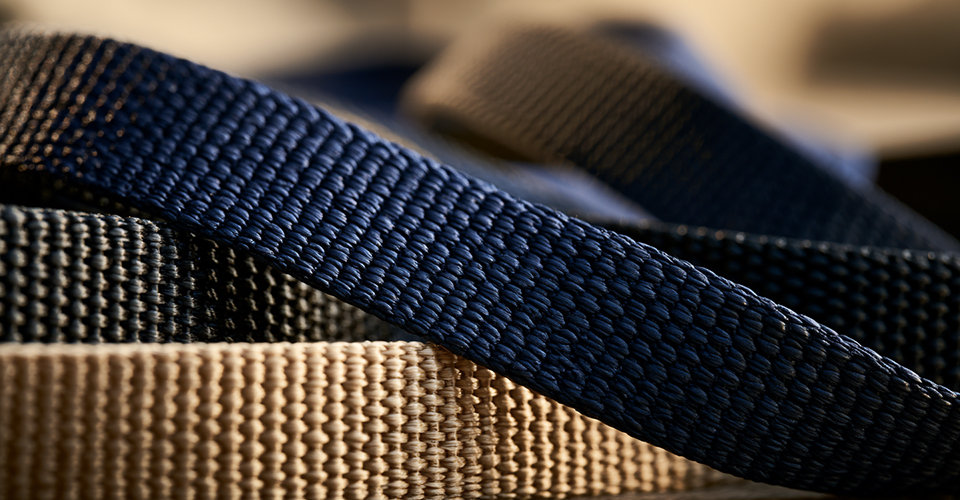
No matter how well-made your jackets, bags, upholstery, or other products are, a weak strip on them can drag down the entire product’s perception. A chain is only as strong as its weakest link.
Let’s take a concrete example. A cord produced with cheap dye will bleed into the main fabric during the first wash, rendering the product unusable. A webbing with insufficient density will burst at the seam under stress. Such structural issues increase warranty costs, raise return rates, and undermine customer trust in the brand. A seemingly insignificant component plays a crucial role in upholding the brand’s reputation.
The Quality Control Process at Emre Dar Dokuma
At Emre Dar Dokuma, we begin the quality process not at the end of production, but right at the start—with the yarn selection process. Across our entire product range—from cotton to polyester, and from organic fabrics to recycled straps—we maintain consistent strength values and color consistency.
We begin every project with raw material analysis, develop samples, and subject them to testing before moving to mass production. We share test reports with our customers because a quality claim that cannot be measured remains just a claim. If you’re looking for a long-term narrow-width woven fabric supplier, you can start by requesting a sample.