



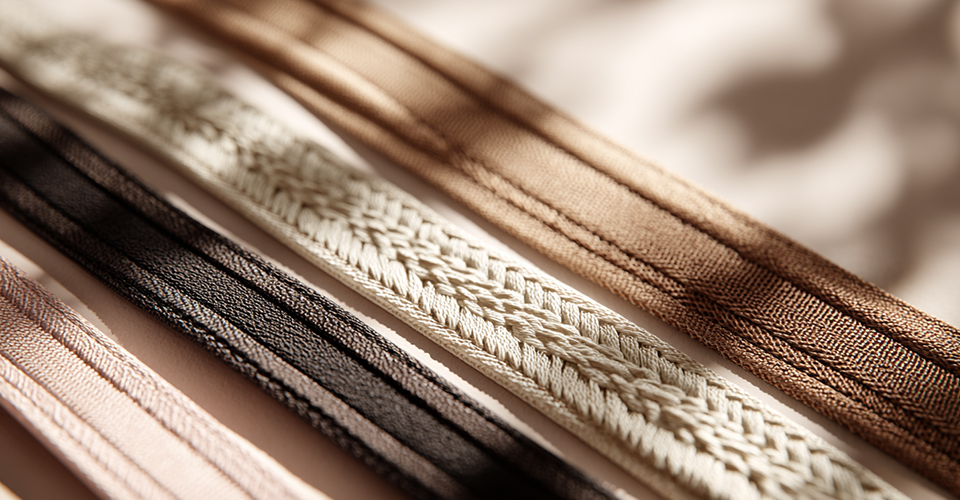
Narrow Woven Applications
Narrow woven fabrics are one of the most functional branches of the textile industry. Produced in a wide variety of forms, ranging from millimeter widths to tens of centimeters, narrow woven fabrics have a very broad range of applications. These products find their place both in areas requiring industrial strength and in the aesthetic details of everyday life. They are preferred in a wide range of applications, from heavy industrial projects requiring high friction resistance and tear resistance to medical products that come into contact with the most sensitive skin. However, they are most commonly used in textiles and accessories. Thanks to flexible production lines, raw materials (polyester, cotton, etc.) can be selected according to specific needs, allowing for quick adaptation to any sectoral demand.
Where Are Narrow Woven Products Most Commonly Used?
Narrow woven products have a very broad dominance in the global market thanks to their structural stability. The main center for these products is undoubtedly the ready-to-wear and fashion industry. However, with modern production technologies, they have taken on critical roles in the automotive industry, from seat belts to seat support units, and in aviation, to cargo securing systems. In home textiles, from curtains to bed skirts, and in technical textiles, from work safety equipment to heavy load slings, narrow woven products are used in every area to take advantage of their high performance.
Use of Narrow Woven Fabrics in Furniture and Upholstery
In furniture production, narrow woven fabrics are one of the key components that determine a product’s comfort and aesthetics. Elastic columns, used particularly in the frames of chairs, sofas, and armchairs, prevent the seating group from collapsing while offering flexibility that is compatible with body ergonomics. Narrow woven strips play a strategic role in securing the upholstery fabric to the frame and reinforcing the joints. High-quality narrow weaving ensures that the furniture retains its shape for years, which directly increases the manufacturer’s brand value and user satisfaction. In addition, many narrow weave products used for decoration make the chair stand out visually and aesthetically.
Use of Narrow Weave in Ready-to-Wear Clothing and Textiles
In the world of ready-to-wear clothing, narrow weave products are the unsung heroes that determine both the functionality and quality of a design. They are used everywhere, from waistbands on pants and skirts to side stripes on sportswear, from equipment straps on military uniforms to elastic bands on underwear. The product’s ability to retain its shape and elasticity after washing depends on the quality of the narrow weave used.
Use of Narrow Weave in Home Textiles and Accessories
In home textile products, narrow weaving is frequently used to provide an aesthetic finish and structural support. Curtain extrafores, pillow edge trims, and decorative bands on bedding sets are the most common examples of this use. High-grammage narrow weaving products are preferred, especially to ensure that heavy curtains hang properly on the rail system or that the edges of the bed maintain their shape. Thanks to the variety of colors and patterns, they complement the overall concept of home decoration while significantly extending the product’s lifespan.
The Use of Narrow Weaving in Hobbies and Handicrafts
In the world of hobbies, narrow weaving products are an indispensable part of “Do It Yourself” (DIY) projects. It is an ideal material for straps used in bag making, macrame crafts, homemade jewelry, and decorative embellishments. Its ease of cutting, sewing, and combining with different materials provides great flexibility in creative projects. Colorful cords and patterned ribbons, in particular, offer craft enthusiasts the opportunity to create durable and visually rich designs.
Types of Narrow Woven Fabrics
The world of narrow woven fabrics offers a wide variety, from raw material content to weaving techniques. The type of yarn used in the production process (cotton, polyester, polypropylene, nylon) and the weaving density determine the product’s intended use. For example, a seat belt and a shoelace are produced using different techniques. This diversity allows specific properties such as water repellency, flame resistance, or UV resistance to be incorporated into the product, enabling the development of technical solutions tailored to each sector.
Rubber Narrow Weaving
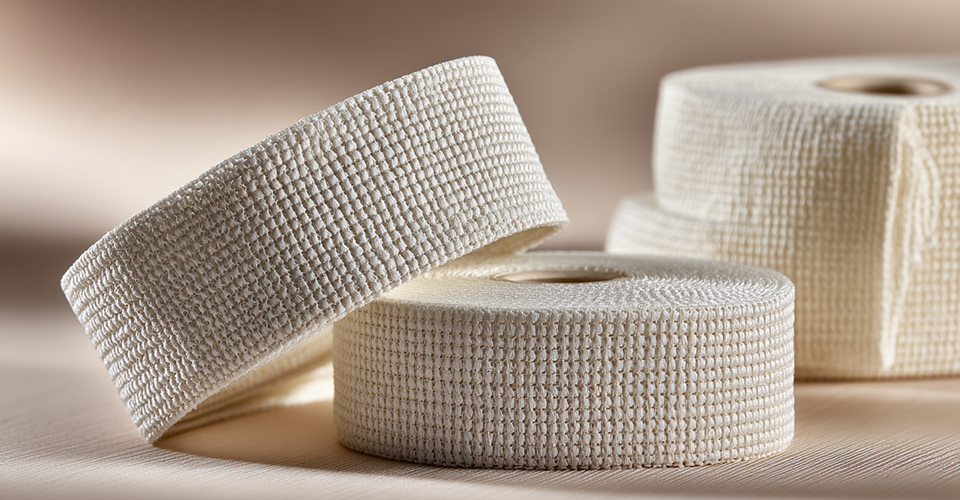
Rubber narrow weaving is a product with high recovery power thanks to the latex or elastane fibers it contains. It is widely used in the textile industry to provide freedom of movement in waistbands, cuffs, and sleeve openings. A high-quality rubber weave should be able to return to its original form even after repeated washing and stretching. This product group, which ranges from gipe rubber to woven rubber, is the cornerstone of all clothing and medical products where comfort is paramount.
Narrow Woven Tape
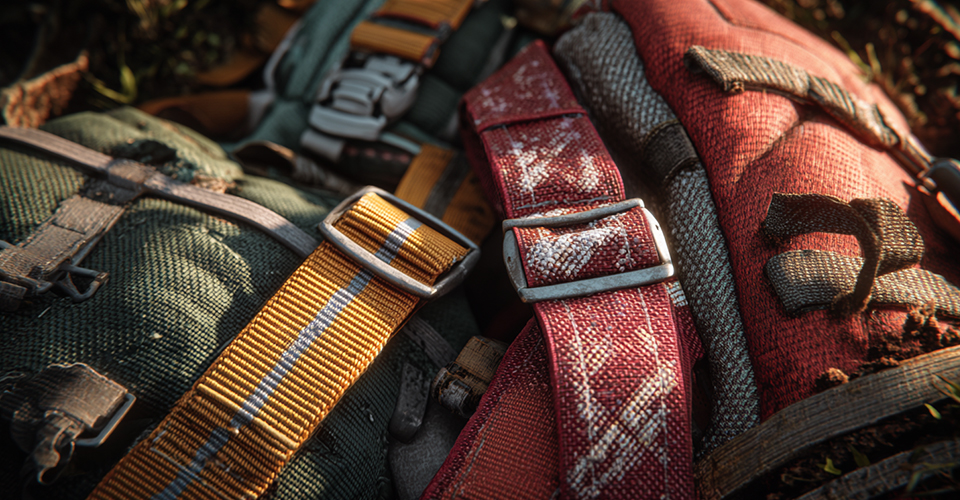
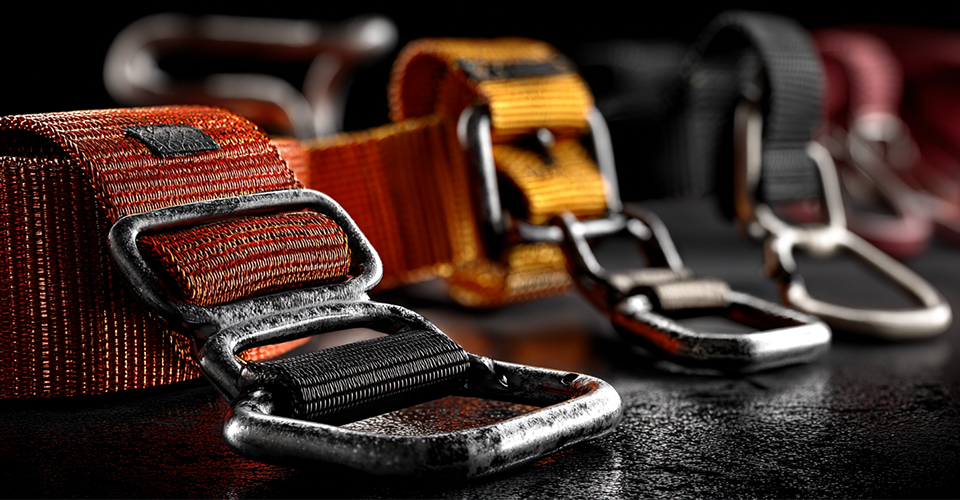
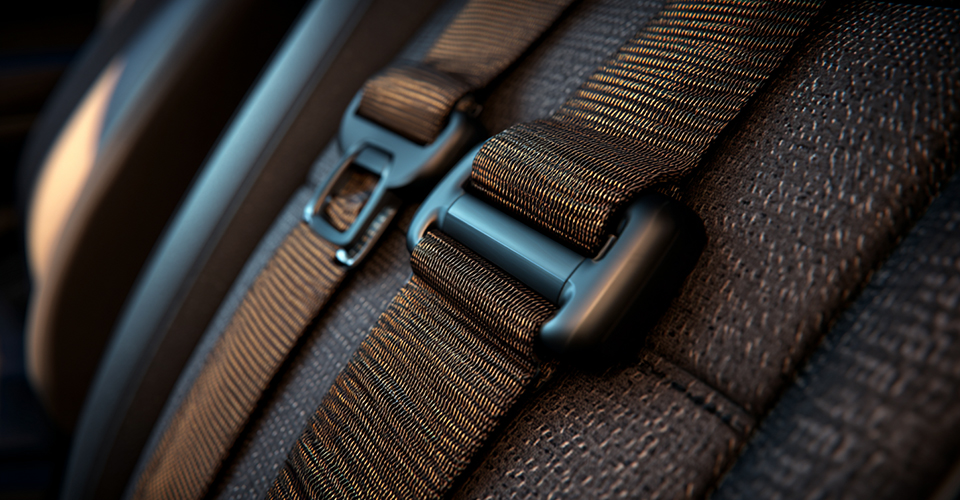
Narrow woven tapes are used for carrying, fastening, and decoration purposes due to their non-stretchable and stable structure. Bag handles, suitcase straps, seat belts, and heavy industrial slings are the strongest representatives of this category. Thanks to their high thread density, they offer exceptional resistance to breakage. In addition to industrial use, they are also widely used for decorative purposes (as piping or side bands) in textile designs.
Cord Narrow Weave
Cords are narrow woven products, usually produced in round or oval shapes, that serve a binding and tightening function. Shoe laces, hood strings, and bag drawstrings are the most common applications. Cords can be produced hollow or solid (tubular) and can have different degrees of hardness and flexibility depending on the design. Aesthetically, they are completed with metal or plastic aglets attached to their ends.
Recycled Narrow Woven
Sustainability-focused recycled narrow woven products are usually made from recycled polyester (rPET) yarn obtained from waste PET bottles. The first choice of eco-friendly brands, these products do not compromise on performance and durability compared to standard products. Supported by certifications such as the Global Recycled Standard (GRS), this production approach reduces the carbon footprint and gives brands an environmentally conscious image.
Herringbone Narrow Weave
Herringbone weave offers both visual elegance and structural advantages with its characteristic “V” shaped pattern. This weaving technique prevents the edges of the strip from curling and creates a softer texture. It is preferred as both a decorative and durability-enhancing element, especially in the inner collar bands of garments, hanger systems, and bags. Its slip-resistant structure also increases its knot-holding properties.
Organic Narrow Weave
Organic narrow weaves are produced from completely natural fibers such as GOTS (Global Organic Textile Standard) certified cotton, bamboo, or linen. Since they are obtained from raw materials grown without chemical fertilizers and pesticides, they are critically important, especially in baby clothing and medical textiles produced for sensitive skin. Prepared with environmentally friendly production processes, these products are the ideal choice for consumers who prioritize naturalness and health.